If you’ve visited Ottawa’s Byword Market, you’ll know all about the atmosphere of the place and the pleasure that can be had through a simple stroll through the beyond-counting market stalls and displays. The numerous restaurants, cafes, and bistros complete with their outdoor patios gives off a sense of vibrancy and life, things that aren’t exclusively dedicated to just the daylight hours.
But the Market has become troublesome, and in fact has been troublesome for years.
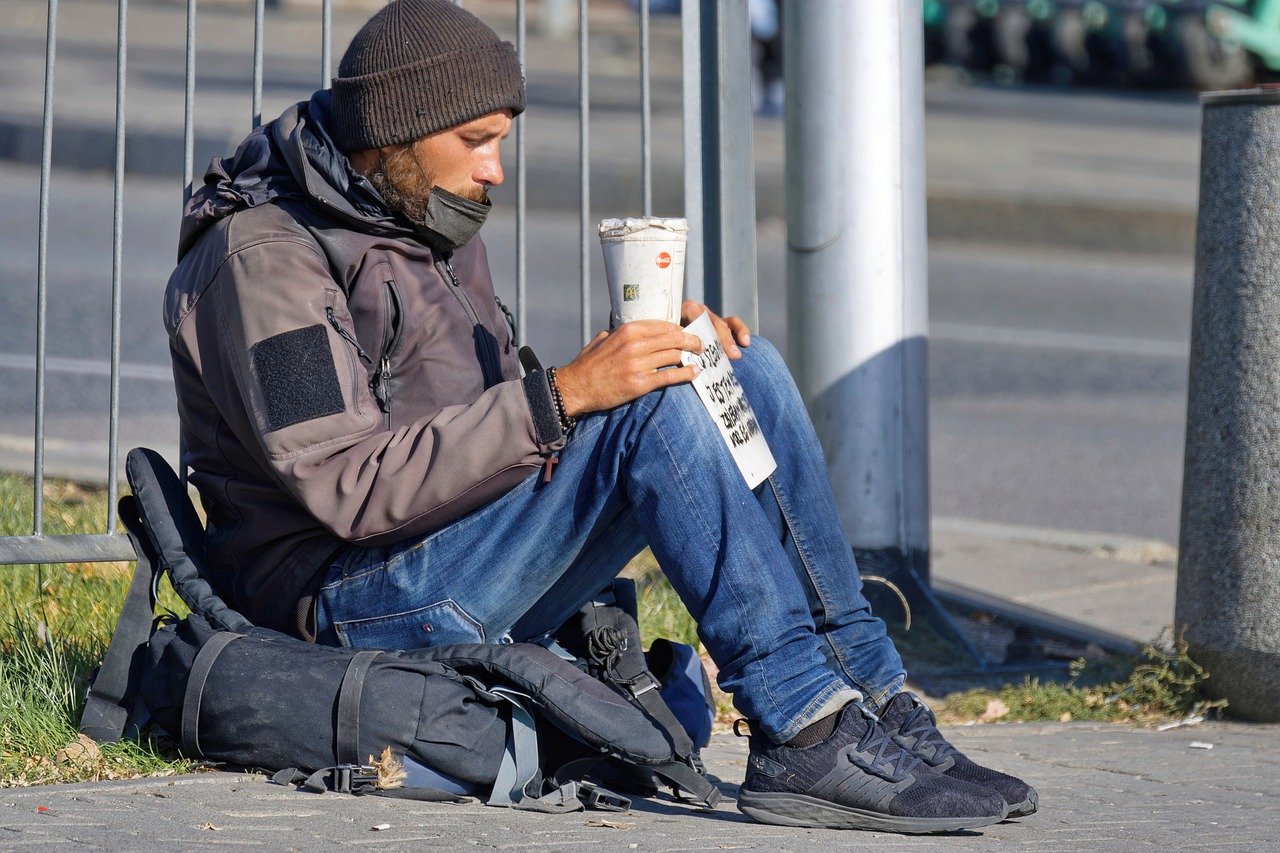
As you stroll through it and about it, you’ll also have the experience of witnessing the blight that comes with homelessness, extreme poverty, prostitution, drug abuse, and mental health challenges. Aggressive panhandling is a norm, and unconscious bodies in the street are an all-too-often sight for a part of town just down the road from Parliament Hill and a must-see stop for tourists.
The kids in nearby neighbourhoods don’t play in their own yards. Too many discarded needles.
The crime rate for the ward in which the Market is located is through the roof and exponentially higher than the crime rates of the wards immediately next door.
The Byword Market, and that section of what would be considered downtown Ottawa, is home to the greatest concentration of homeless shelters, addiction and poverty outreach centres, and soup kitchens, all located there in an attempt to service an ever-increasing population of people living on the streets. What’s more, a significant criminal presence preys upon these very same people in a manner of ways. As if life wasn’t tough enough.
The City of Ottawa has undertaken an effort to address and hopefully improve the situation in the Market zone. Studies are on-going as to how to make the Market a more appealing place, and how to service the street population in a way that removes, as much as may be possible, the circumstances by which people are inclined to “move” to the Market as a place of permanent residence. It will be a challenging undertaking and I wish them the best.
One idea floated around is the notion of spreading out the services that do exist so that they’re not all concentrated in the downtown area. In other words, if Ottawa has 24 wards, then perhaps there should be a service imprint of some sort in all 24 wards, thereby alleviating some of the pressure on the downtown core and the Market specifically.
There are more than plenty of reasons for people to find themselves on the street, and those have been articulated in other articles. Nevertheless, the city has identified a need to do something different, not only to mitigate the negative conditions experienced by the street-living population, but also to restore a place like the Byword Market to a more healthier look with a much smaller crime imprint.
It’s not going to be an easy job. That said, it remains a job worth doing.
 NEWSMAGRENFREW