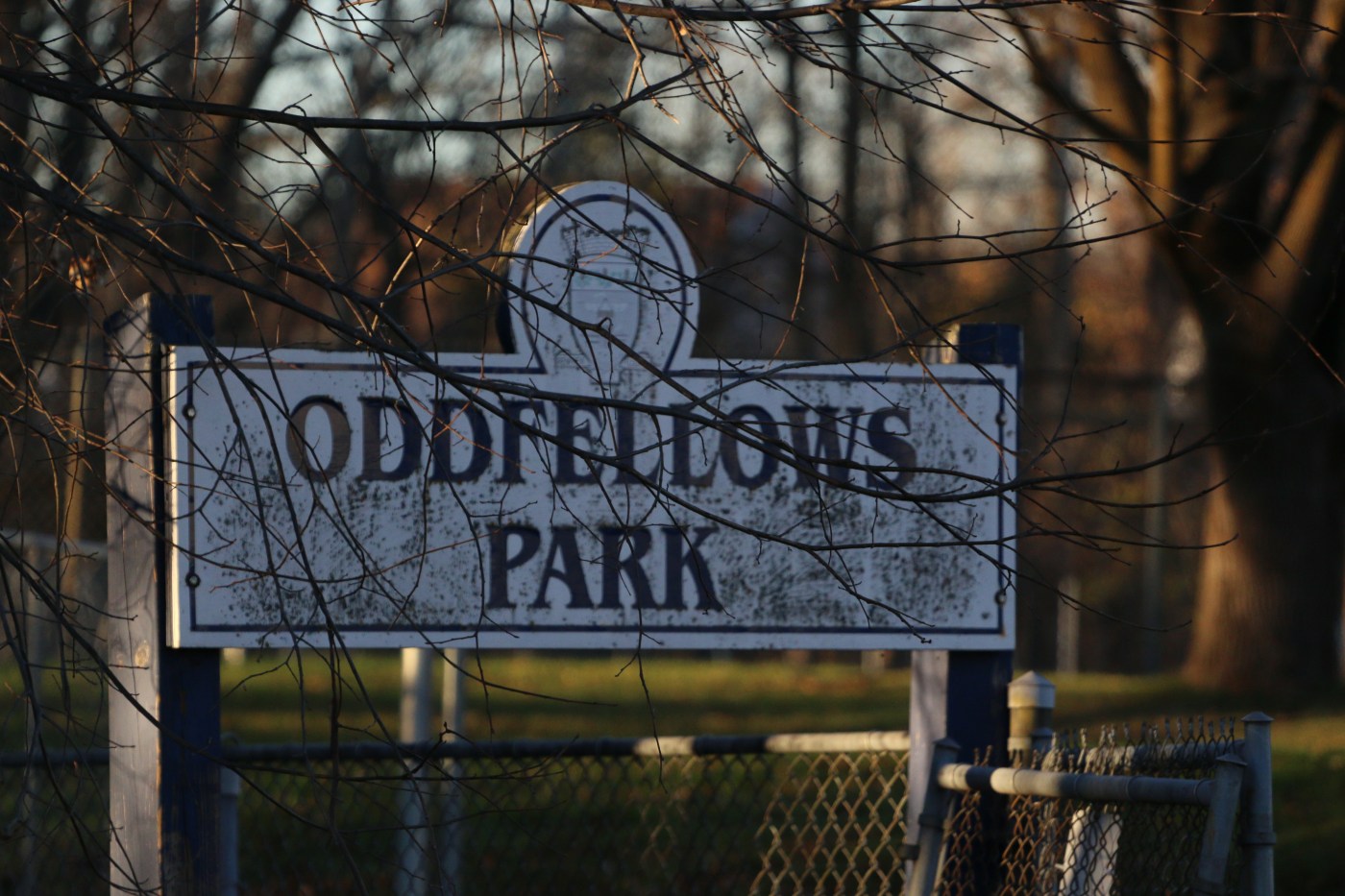
The creation and implementation of a community garden at Oddfellows Park on Sidney Avenue in Renfrew is a really good adaptation of a really good idea.
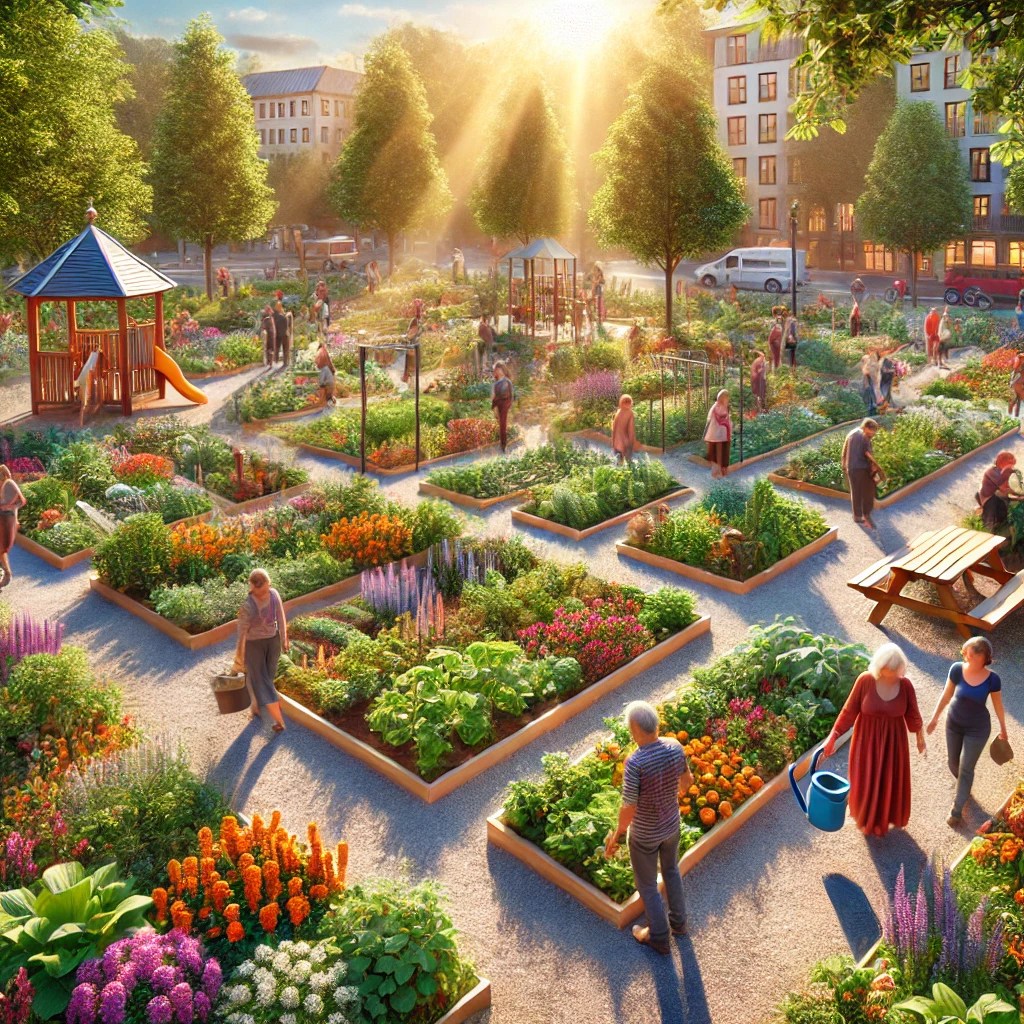
In association with the Renfrew Food Bank, the town has set aside one of its several parks for use as an urban agricultural experiment, where citizens can rent a plot of land, or space if you will, to cultivate for themselves any fruits or vegetables they may desire to bring into this world.
Not only does such a program benefit from a “farm to table” aspect on a smaller scale, but it also fosters a sense of community through interactions with others tending their own plots.
And further, it benefits the efforts made by the volunteers over at the Renfrew Food Bank.
The year 2024 was the first attempt made at this, and apparently, it went so well that applications for plots in 2025 have already sold out., and nothing really demonstrates success of venture more than full capacity.
The endeavour has been successful enough that the two primaries involved, the Town of Renfrew and the Renfrew Food Bank have proposed entering into a MOU, or Memorandum of Understanding, to further clarify the responsibilities and accepted obligations of both parties as they pertain to the operation of the gardens.
There’s really nothing not to like about projects like these, so kudos to both parties for this, from concept to delivery. It’s one of those types of things where we find involvement doesn’t have to come at the cost of hundreds of thousands of dollars. It’s also one where there is a maximum level of community involvement, given the high occupancy rate. In fact, it’s such a success that it would be tempting for the municipality and the Food Bank to identify another, possibly undo-used, municipal park and repeat the process there.
I completely understand and support the role public parks have in the planning theory of communities. They are part of any municipalities mandate to look out for the recreational and quality of life needs of its members. Given the number of parks to be found in Renfrew, I’d have to say this municipality has fully embraced those obligations and put them into action.
I also understand that, just because we’ve got a good thing going at Oddfellows Park, it doesn’t necessarily mean we ought to be hell-bent on creating the same situation elsewhere, let alone all the other elsewheres.
But food security is a big deal these days, not just for the individuals and families who tend to their rented plots, but also to the folks over at the Food Bank who have seen their client base explode over the past few years. Seeing the wrap-around lines on a Tuesday at that location is all the evidence one would need to see close-up the need for secure food in the community.
And with respect to these community gardens, the Food Bank is guaranteed 25 plots of the total available plottage (don’t know if that’s a word, but if not, why not?) for their own efforts at reducing food deficits in the community.
So if there’s no under-used community park out there begging to become part of something like this, then is there any other town-owned land hidden somewhere that a similar effort might be made?
For the sake of argument, what if the parties did attempt to replicate their success somewhere else? And what if it turned out to be an absolute abject failure? What would be the lost cost? And could we handle that lost cost? And what if absolutely nobody showed up or rented a plot?
Could it still be used for its intended purpose of growing food? Could that food still not go to the Food Bank? Would this still not meet the town’s Road to 2035 goals of forming positive partnerships with community groups to enhance the quality of life of Renfrew residents?
I honestly don’t see much of a downside to a proposition like that. Even when you potentially lose, you win.
A couple of minor things before closing.
When bringing something like this to Council, perhaps the language might be a little more neutral. In the BACKROUND section of the topic sheet, it explains that the town and the Food Bank wish to cement their current “wonderful” relationship, and although I’m sure that’s true, the use of the word “wonderful” is a bit leading and strikes me as the sentiment of the person crafting the proposal document. I’m sure many others would agree with her, and I’m probably one of them, but it’s better form to keep superlative language out of staff proposals to Council. Secondly, under IMPACT OF OPTIONS, the first option speaks of allowing the partnership to “continue to thrive,” which again is a bit leading and highly indicative of a favoured option.

In the list of party obligations, the Food Bank is assigned responsibility to “be open to purchasing additional equipment that may be required for the effective operation of the garden.”
I could never picture the town and the Food Bank at drawn daggers over a community garden, but open language like that can be a fatal flaw in any document intent on binding parties to certain actions. Anyone can be open to anything. It’s just that there’s no glue binding this grouping of words. The Food Bank doesn’t strike me as a place that’s awash with cash, so I can’t see them going on any kind of spending spree when it comes to equipment. And by equipment, are we referring to garden implements? It strikes me those would be the responsibility of each plot-holder. I can’t imagine a John Deere kind of thing, unless John’s churning out shovels, hoes, and rakes these days, so it leaves me wondering what kind of equipment we might be talking about here? More hoses? Better hoses? I’ll be completely up-front in admitting that my knowledge and efficacy at fruit and vegetable agriculture could be packed inside a single bean. Again, it’s a language thing.
It’s also me being unnecessarily critical.
The memorandum of understanding can be revoked by either or both parties upon thirty days written notice, so it’s not like there’s no escape chute should things go really bad, not that they ever would.
Community gardens represent a good idea just on the face of things, and they’re absolutely consistent with community need and the satisfaction of a community mandate identified in the town’s Road to 2035 vision statement.
So well done with a good idea put into practice and yielding successful results.
 NEWSMAGRENFREW