When Sears went swirling down the drain a decade or so again, I don’t recall shedding any tears. I mean I shopped at Sears, more for something to do than anything else, but I had no real attachment to the place, even though I’d been around since it was Simpson’s, then Simpson-Sears.
I have to admit that Eatons hurt a little more when the doors closed, probably because it was a high-end department store and the place I used to get my Simon Chiang dress shirts, back when Simon Chiang used to make me dress shirts. And Eaton’s, like Simpsons, was one of the Big-Two department stores that boasted a catalogue that would arrive quarterly, including the Christmas catalogue that kids from my generation would remember well. They weren’t
wrong when they called it the Christmas Wish Book, because that’s exactly what it was, a book of Christmas wishes.
Plus the models were pretty.
Any time you witness the passing of time, the passing of history as concretely as the closing of a department store that was part of the Canadian consciousness, a certain degree of nostalgia will show up, as you remember all the times and events closely associated with those stores and those catalogues.
But we move on, always forward, never back.
Until it happens again.
Now it’s the turn of the venerable Hudson’s Bay Company, or HBC, to close its doors. And that’s just sad, plain and simple.

They didn’t feature a catalogue when I was growing up, nor were they thought of as a big retailer the way the other two were. But when I grew up and became a shopping consumer, HBC was the perfect store, wedged between Eatons and Sears in terms of store quality, with Eatons being the high-end and Sears the ground floor. HBC was right in the middle, a blend of premium and affordability. It certainly filled a space.
HBC is the oldest company in North America, in business for 354 years before the news came down that it was closing and liquidating all its inventory and fixtures. I took this kind of hard, and found it difficult to go in and pick over the carcass, something I never did. For me, it was something akin to going through your parent’s stuff after they died to determine what was to be kept and what wasn’t. Not exactly the best of times.
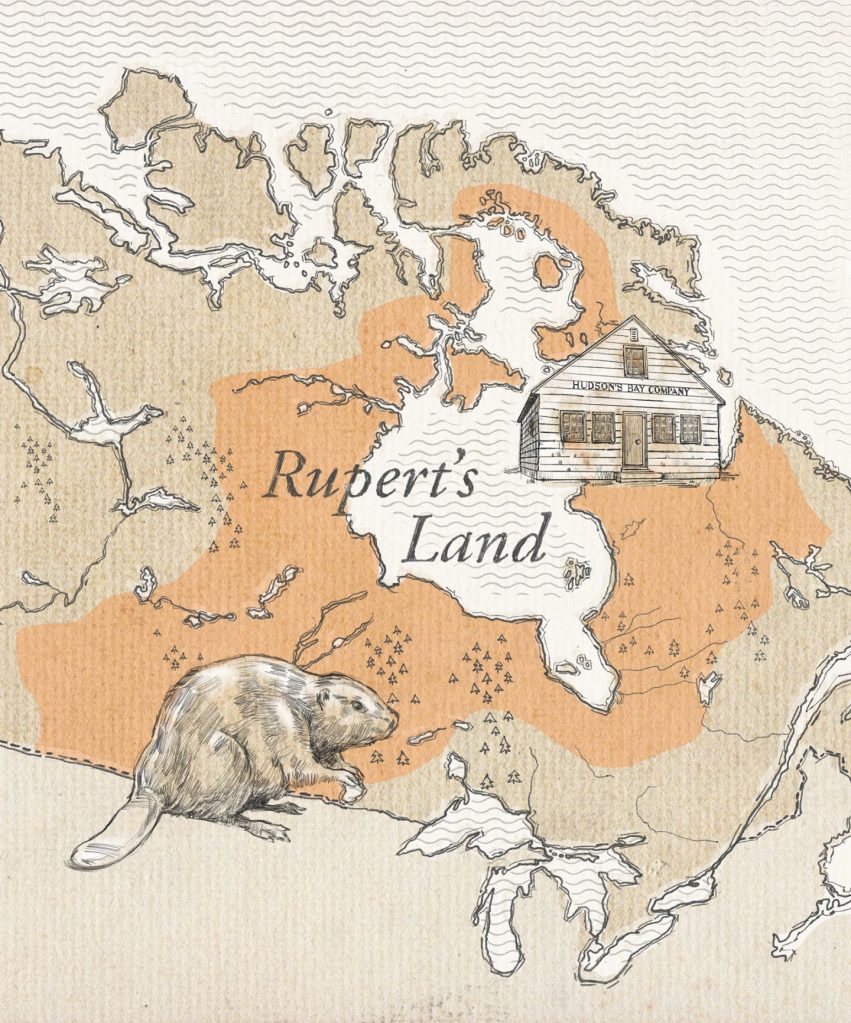
I know liquidation sales are a great way to score huge savings, but I just couldn’t. I was too invested in those stripes, mostly because of how often they’d appear in our nation’s history, all the way back to the fur trading posts of Rupert’s Land, a huge swath of land that eventually became part of Canada in 1870.
I became somewhat concerned when I hear that the company was selling off its intellectual property, including those stripes, and it was my greatest fear that the iconic brand and associated symbols would get gobbled up by some American entity, and there we go, another slice of us bought up by the gringos, a term I use without affection.
But then some good news!
Canadian Tire Corporation, as Canadian as a snowball, was stepping up to buy those stripes before any Yankees could get their hands on them.
How they intend to use those stripes is to be seen, but I truly hope that the company has some degree of sensitivity around how they may be employed. For example, I don’t want to see those iconic stripes on a rake, or a shovel, or a lawnmower. To be honest, I have a bit of trouble visualizing anything Canadian Tire sells as being a good or appropriate candidate. But I suppose they can do what they want, although my hope is that they have a certain degree of sensitivity.
In fact, if CTC purchased the rights to the stripes solely to keep them in Canadian hands, then bravo. If it’s their intent to place them in the vault for safe keeping, then bravo again, and my compliments for stepping up with your cash and doing something uniquely Canadian.

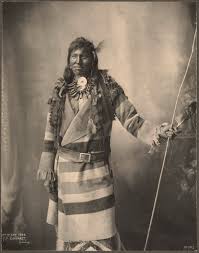
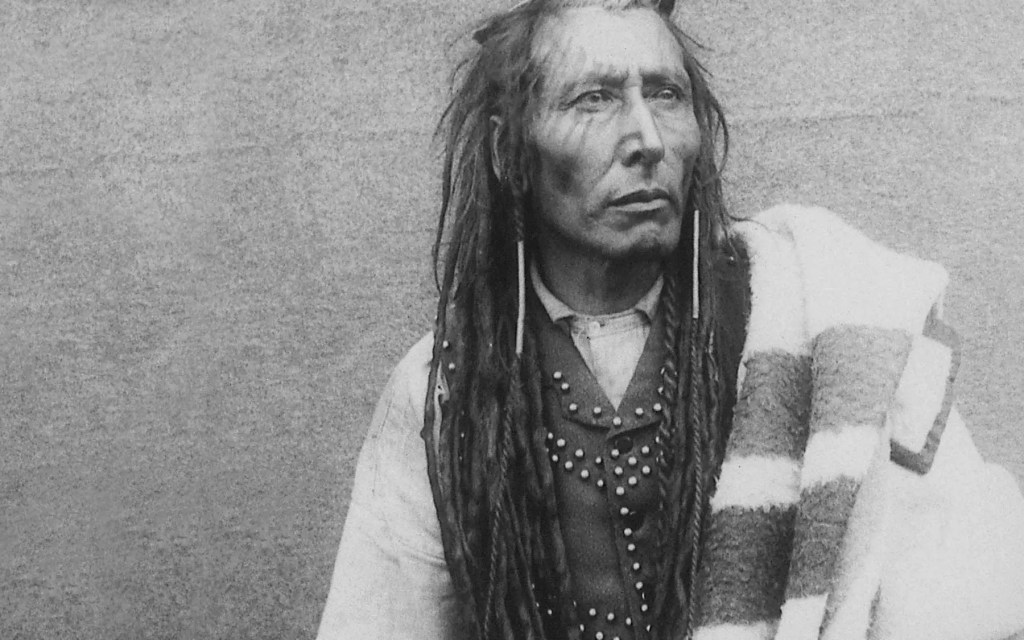
The Hudson’s Bay blanket is an iconic symbol of the Canadian west, with tribal interactions among Native groups resulting in the blankets, and the stripes, being found south of the border as well, particularly among the Sioux and Cheyenne, both tribes of the Great Plains and cousins of the Blackfoot, Assiniboine, and Plains Cree found up here north of the border.
They would never look good on a rake.
 NEWSMAGRENFREW