
PHOTO GALLERY BELOW
They had me at the opening prayer.
I first came across it maybe thirty-five years ago, back in North Bay, where an Ojibway reserve was right next to the city, its residents an integrated part of the place. As well, many Indigenous children from northern reserves attended the same high school as I did, so there was a Native presence in my school that exposed the rest of us to aspects of First Nations culture.
It was Chief Dan George who introduced me to the Creator Prayer, not in person mind you, but through a VHS video tape I was viewing while studying English as a Second Language at Nipissing University.
The prayer, in all its beauty and majesty, in all its deep knowledge and wisdom, is presented here with all possible respect.

As a teacher rolling out teaching units involving the history of First Nations, as well as their present and future, I took it upon myself to not only introduce this prayer to my students, but to hold it up beside The Lord’s Prayer, the defining prayer of the Christian faith. By doing so, I wanted to drive home my assertion that there’s not a huge difference between the two in what they say, what they invoke, the vulnerabilities and respect shown, and the request for guidance and assistance in making us the kind of people who will bring happiness and pride to the Creator.
The point is that these prayers represent two distinct peoples, separated by thousands of miles of land and ocean, and completely unaware of each other’s existence, each having a major prayer, even a defining prayer, that essentially articulates the same thing, the same beliefs, perhaps the only variances owing to contextual differences.
Yet that same curriculum that I was working under at the time had us believe that the Native version, the Native prayer, was part of what the ministry referred to as creation myths, as if their stories of origin were fanciful beliefs right up there with stuff like Hansel and Gretel and The Three Little Pigs. The arrogance and ignorance of that approach was breathtaking, so I did what any good, critical-thinking teacher in Ontario would do when faced with ill-informed, and even arrogant curriculum.
I ignored it and did what was right instead.
So, are we to belief that Turtle Island is a myth? While at the same time we’re all-in on the bearded fellow living in the clouds playing his harp, while creating the world in six days before creating NFL football on the seventh?
I’m not here to diminish Christianity, I’m a Christian, born and bred, through and through, about as much as anybody, I guess. But is there no room in this world for respect for the origin beliefs of others? How do we even know that both peoples aren’t actually praying to the same entity, with the differences being rooted in context?
As if speaking to the same entity while viewing through different lenses. Is that so difficult for some of us to accept?
I’m not here to pursue a doctorate in religious or spiritual philosophy. I’m just some guy with a brain and a heart who just wants to do the right thing. A guy who doesn’t seek to judge anyone on the way they look, speak, love, pray, worship, or believe. When I do my judging, it’ll have to do with the way people are treated by other people, with the judgement being levelled at the party doing the “treating.”
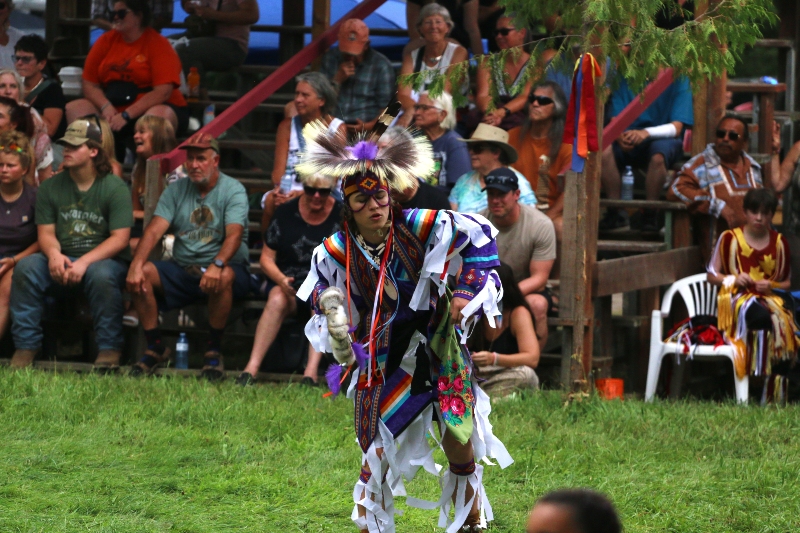
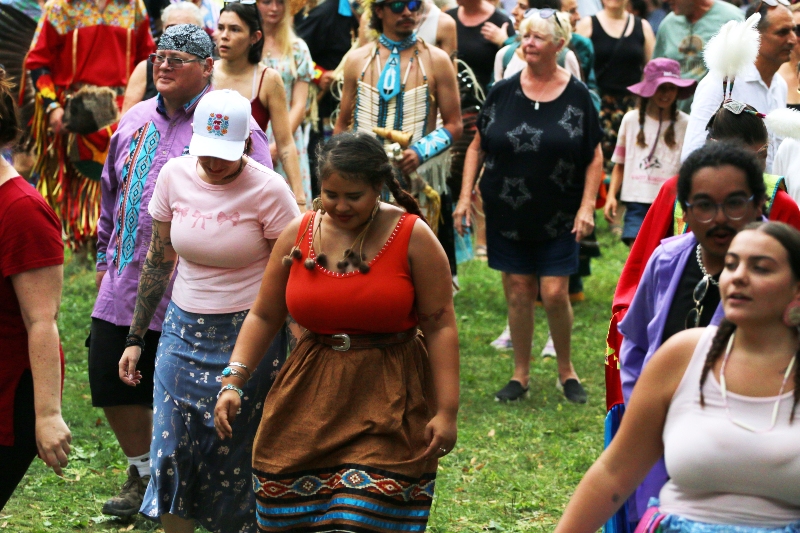
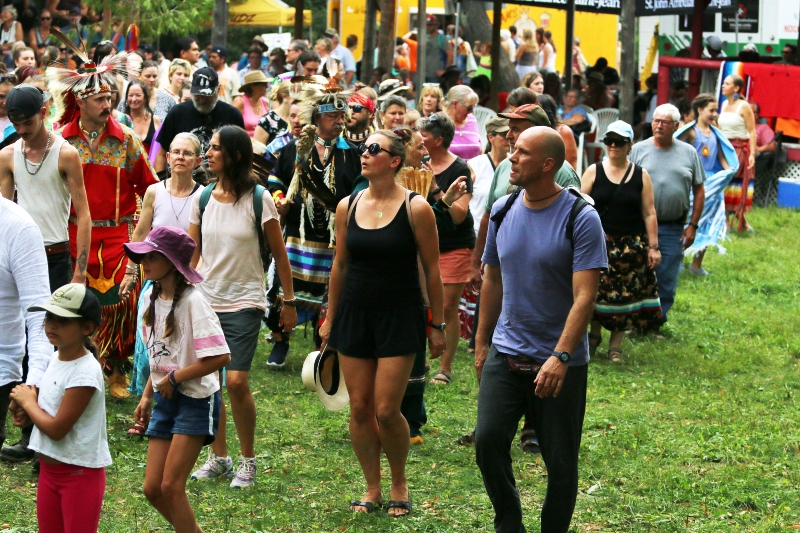
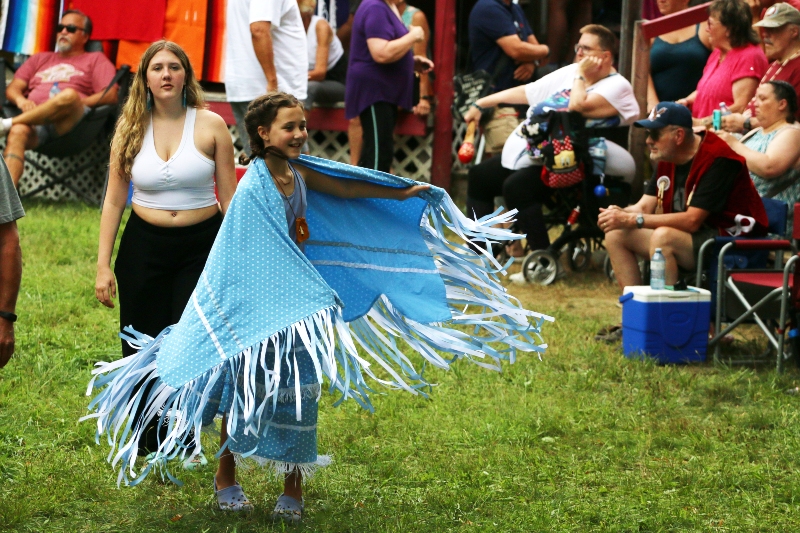
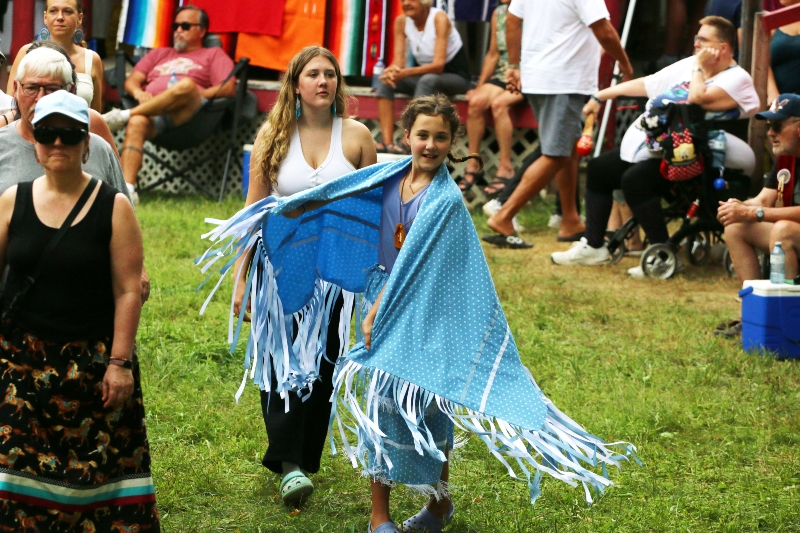
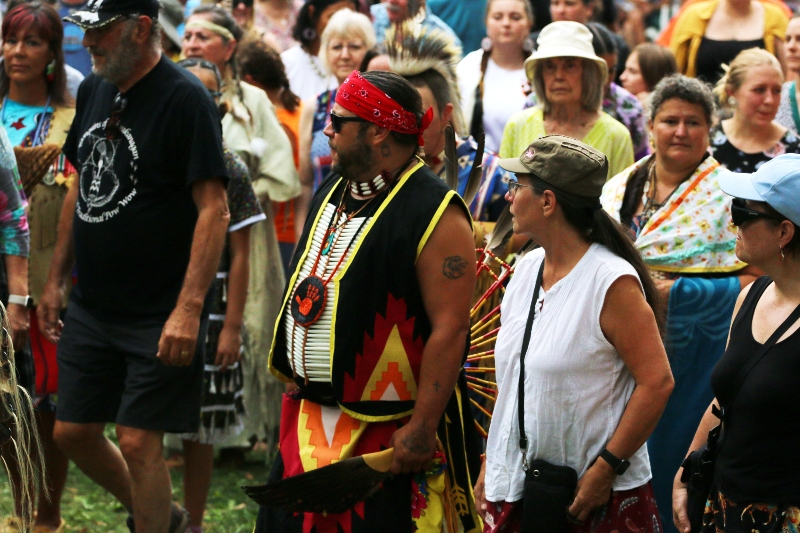
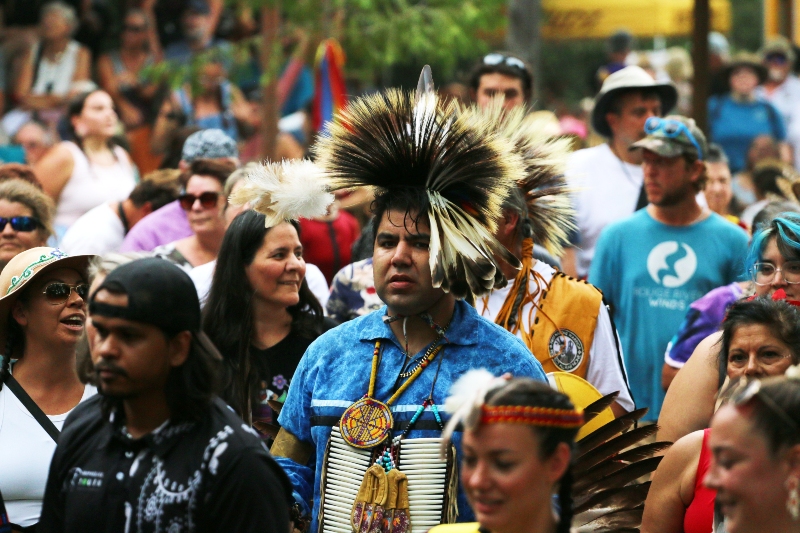
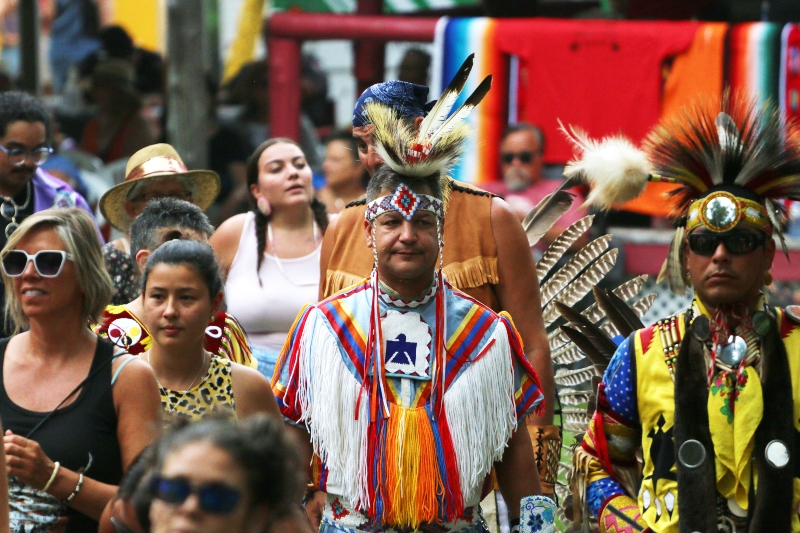
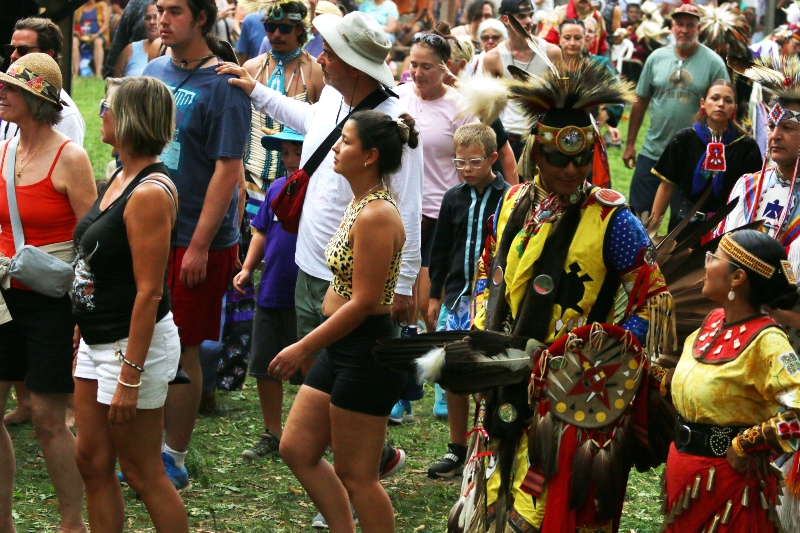
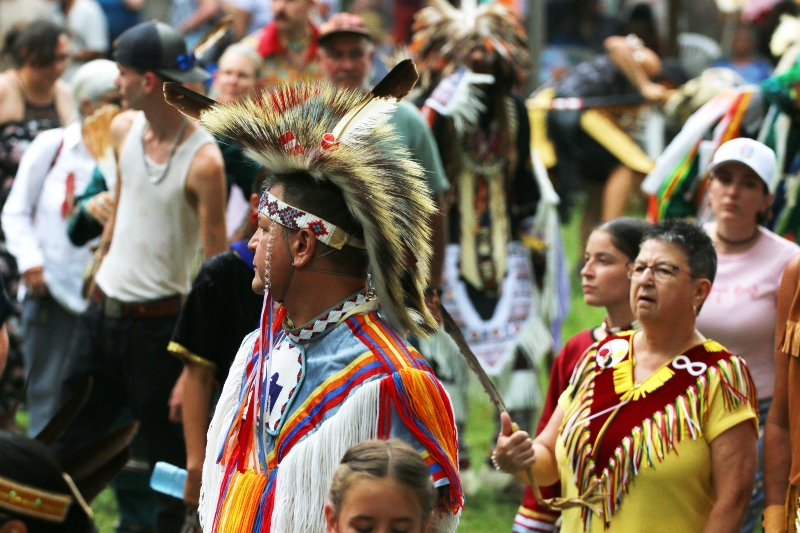
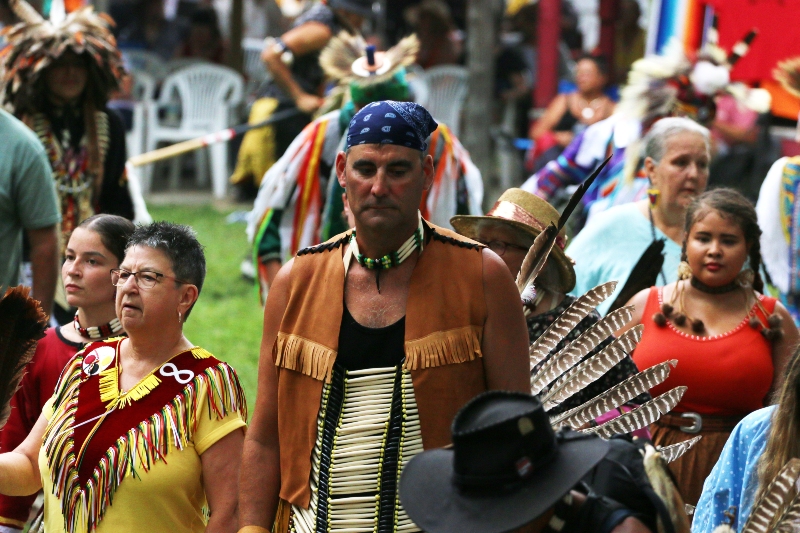
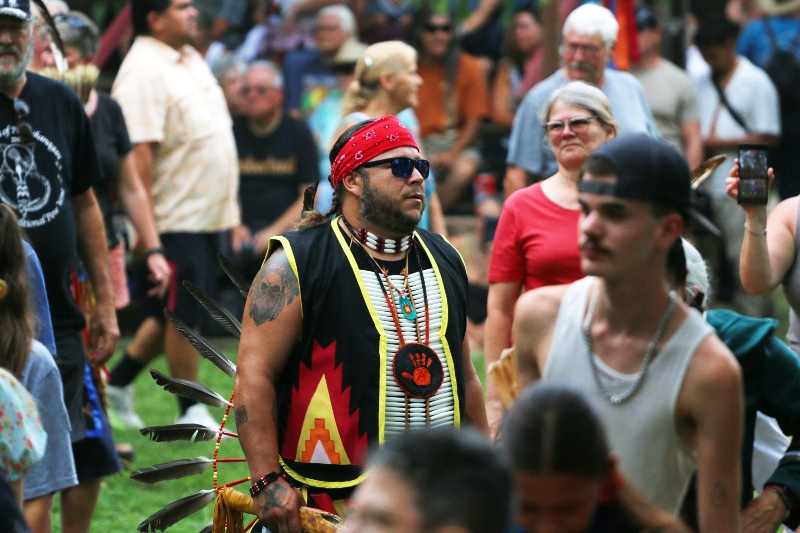
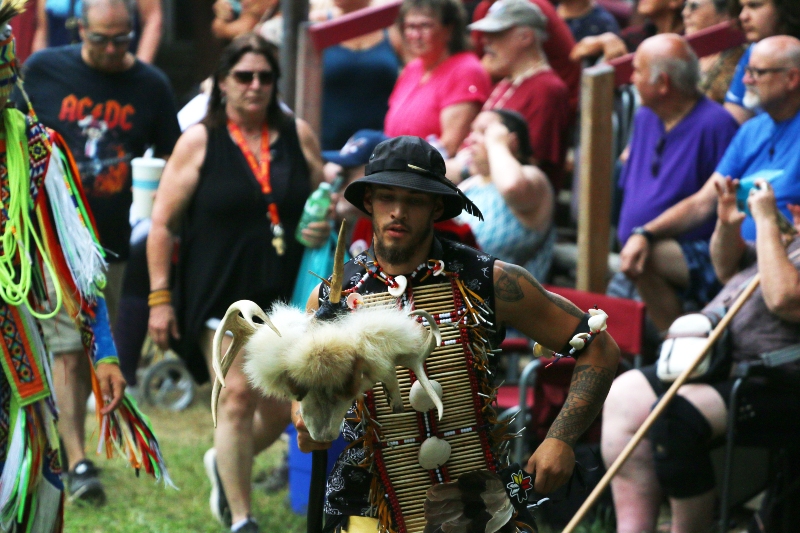
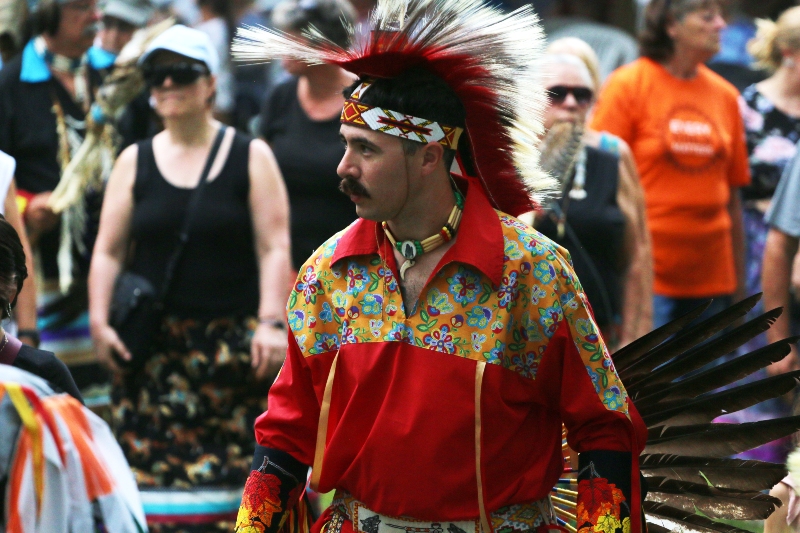
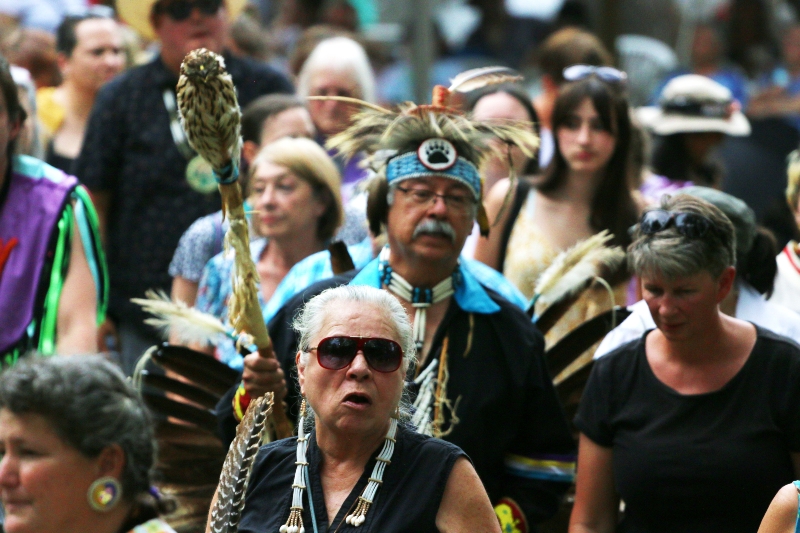
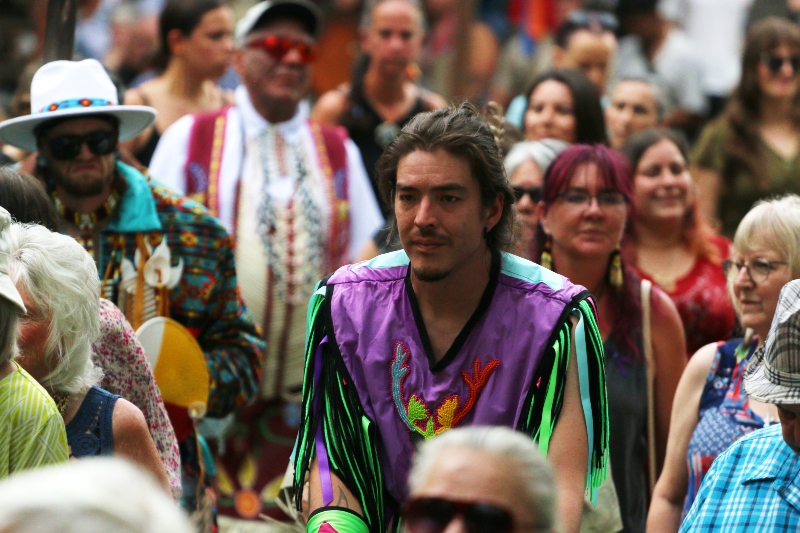
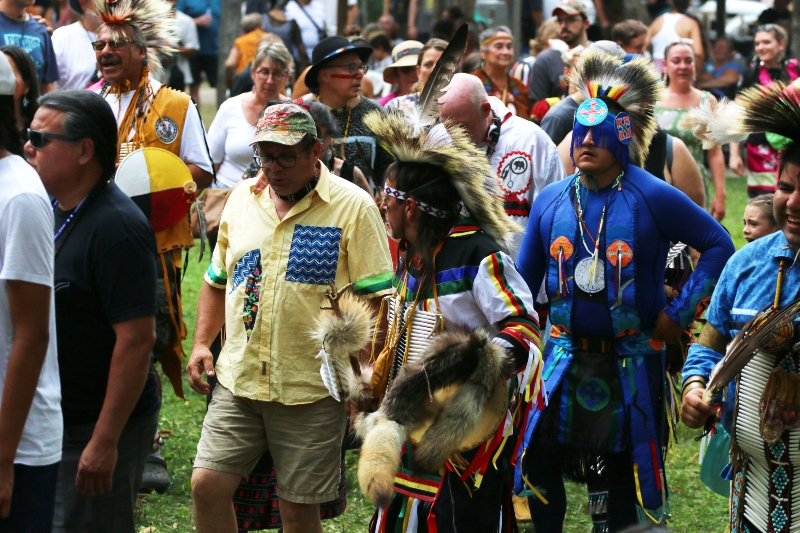
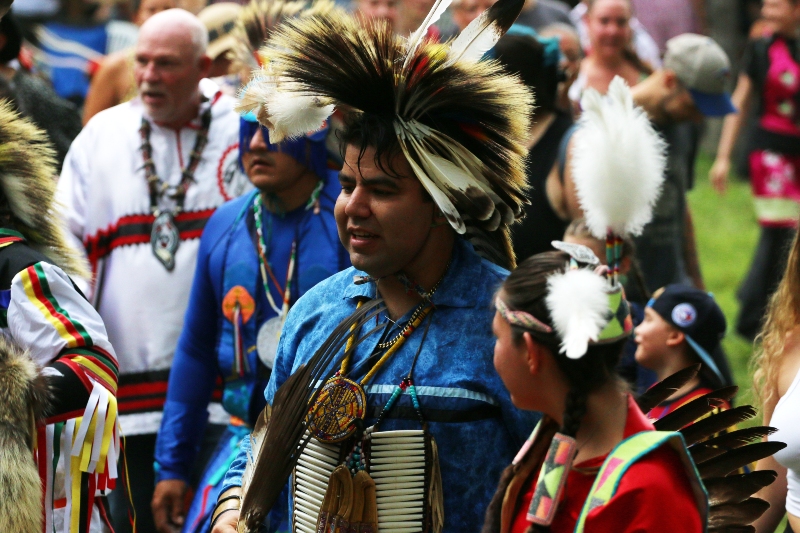
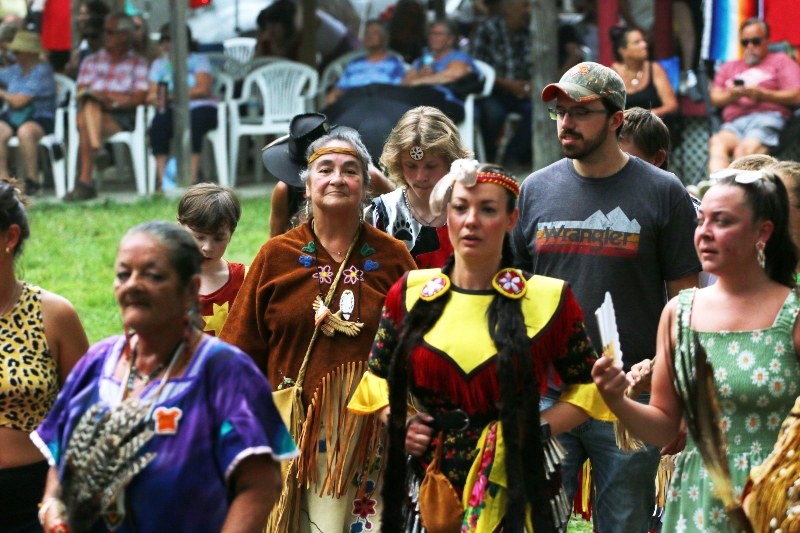
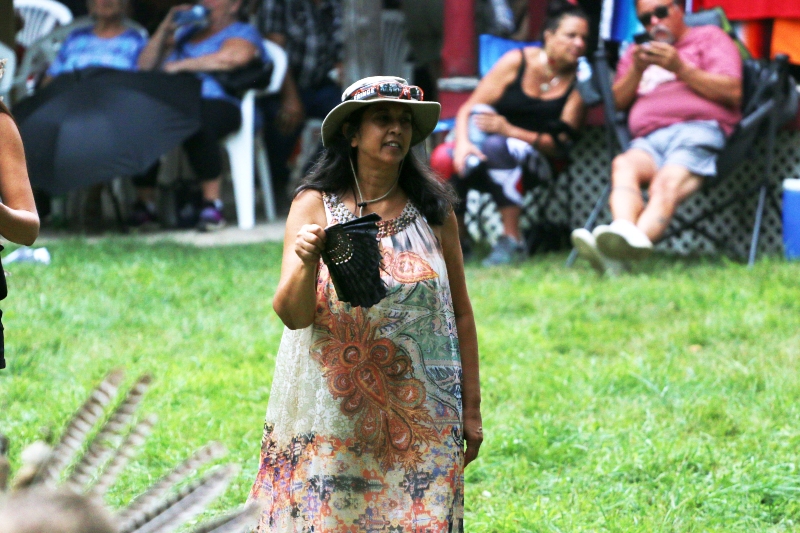
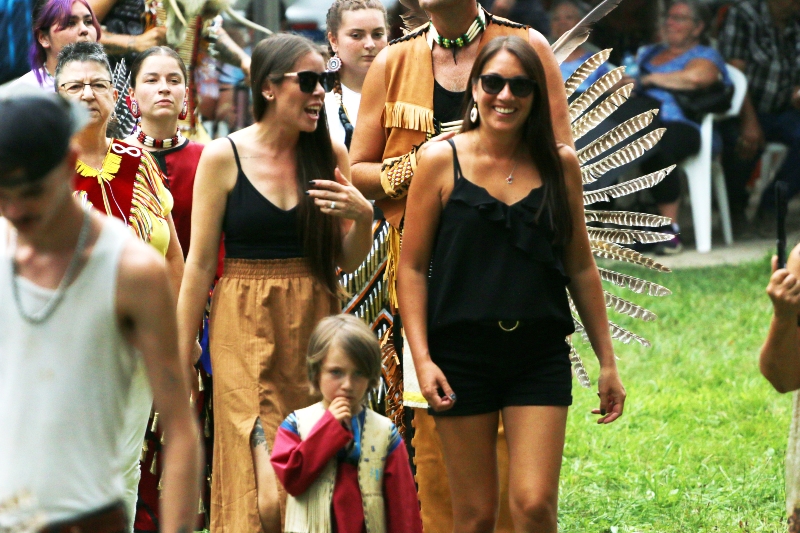
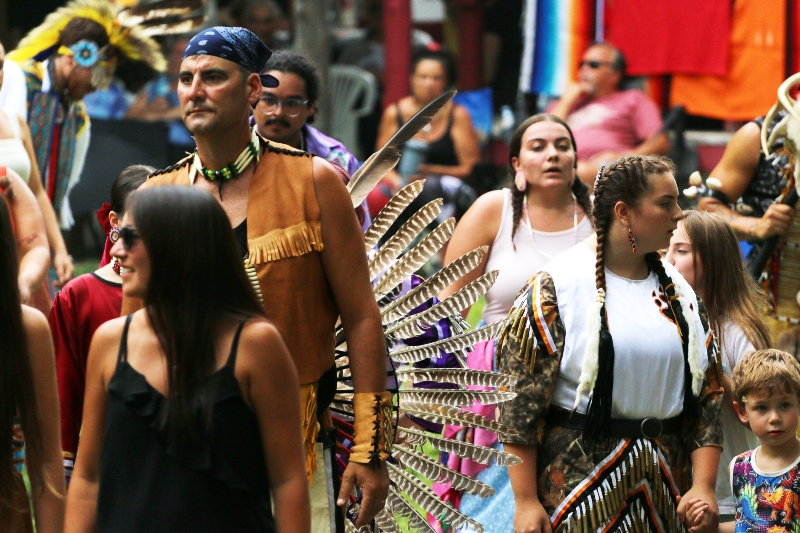
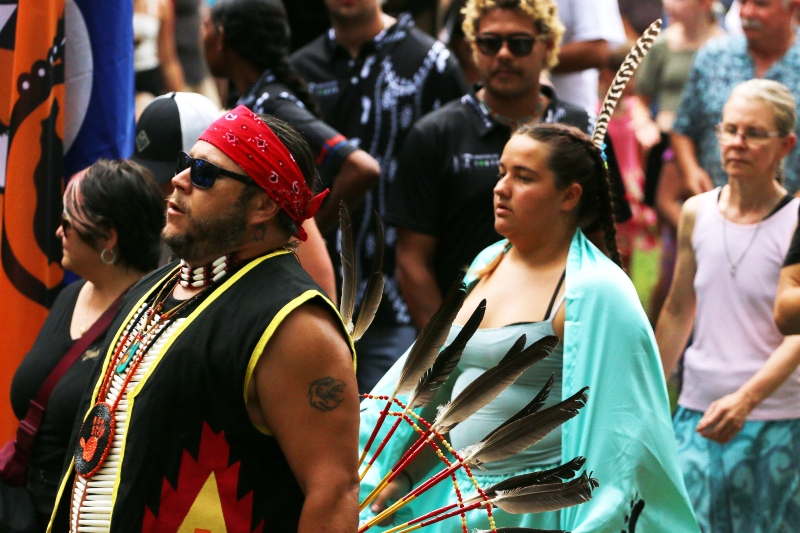
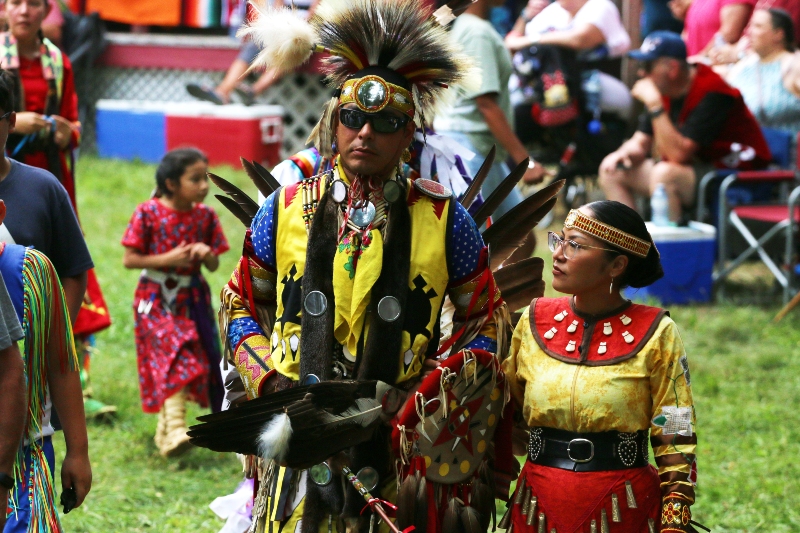
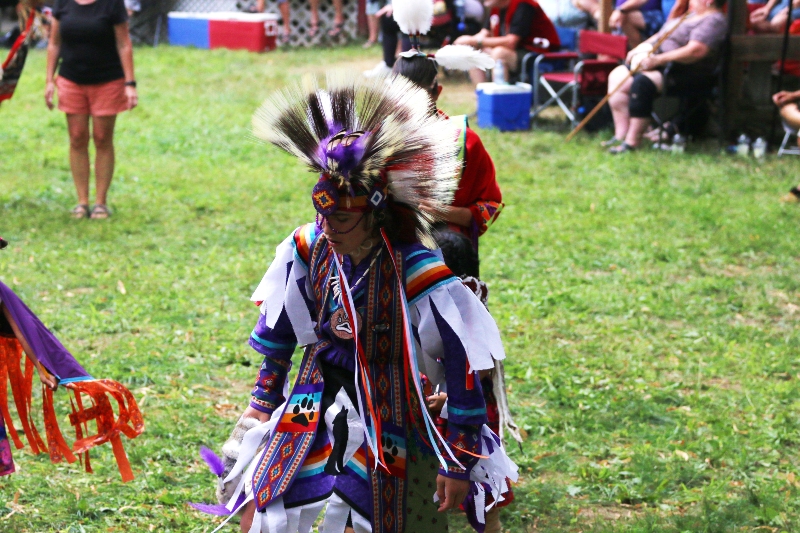
I went to Golden Lake last Saturday, or more accurately Pikwaknagan, the home of the Algonquins of Pikwaknagan, for their 36th Pow Wow Celebration.
I had been to a Pow Wow in the past, actually several, but never here, which is kind of odd because the Algonquins live not far from my front door, a front door located on un-ceded Algonquin tribal lands.
But I was there Saturday, the idea being to get some photography, conjure up a story about the event, meet some people, and cruise through the venues that pop up around events like this.
But it had been seven years since my last one so I forgot.
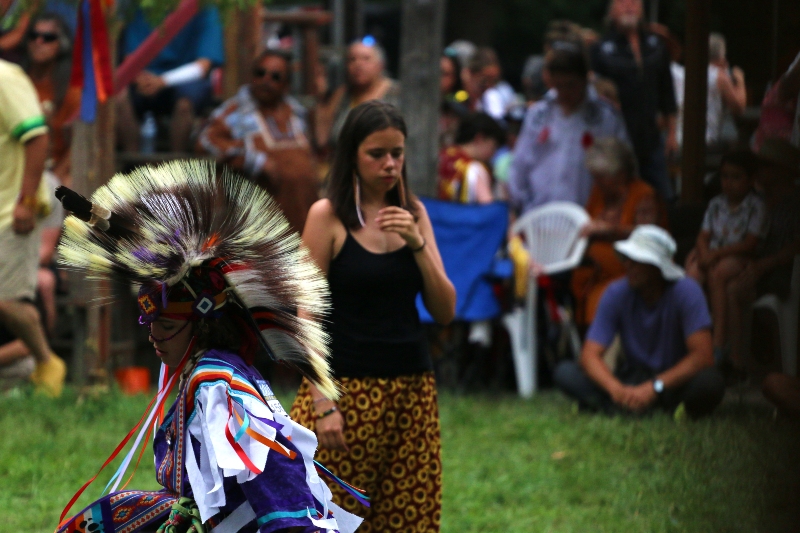
I forgot the power of the drums, of the songs, the power of the dancers.
And the power of acceptance.
I’m not Native. To some First Nations people, my face, or the colour of it, is the same face that colonized their people and drove them from their lands. My face is the face of those who operated residential schools. Mine was the face of the Sixties Scoop.
And yet they welcomed me.
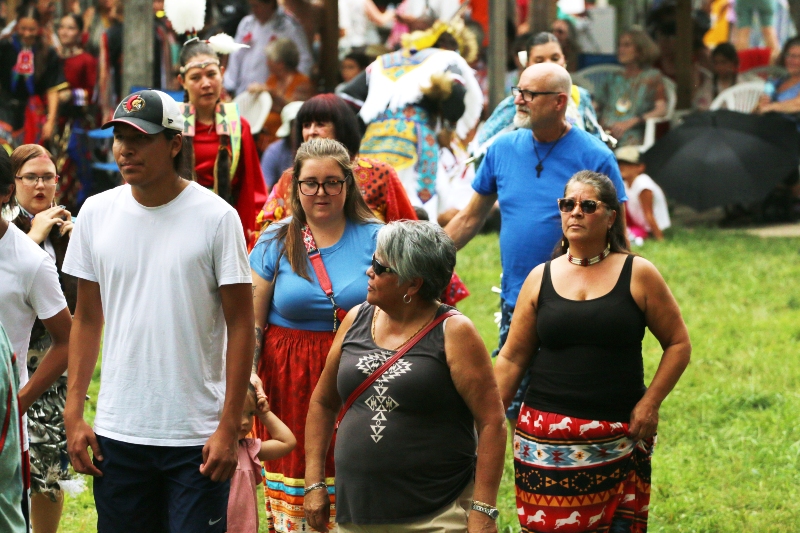
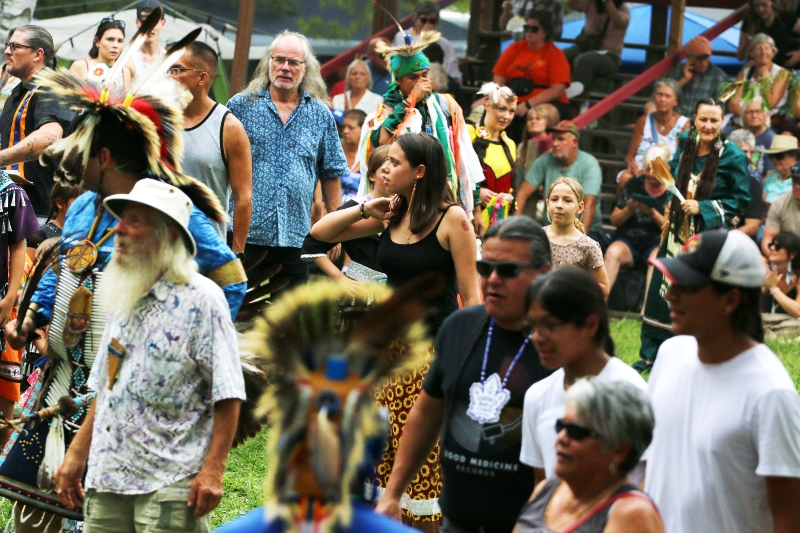
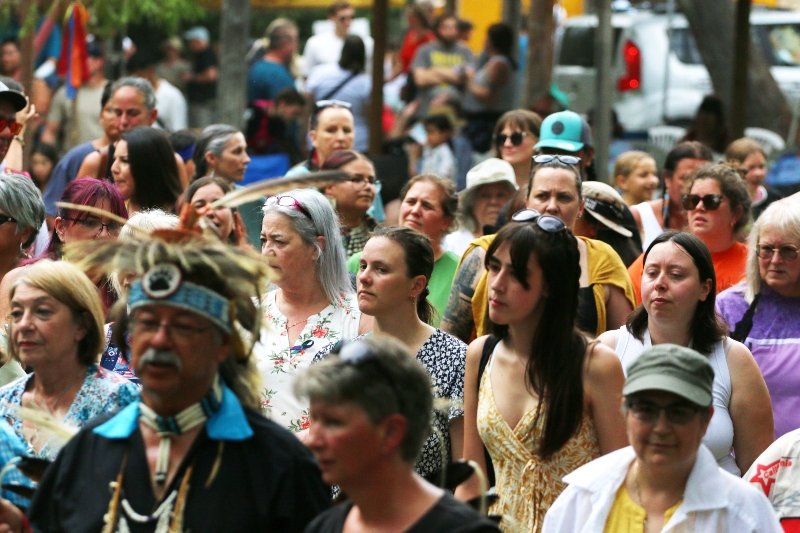
Not in any formal way, but rather made me feel welcome through the ease in which I was able to seamlessly blend in with all other spectators present. Algonquins are just like any other people, there’s good ones, bad ones, and in-between ones. On that Saturday, I encountered none of the second, and what I assume to be a great many of the first. So while I was just one face among many in the crowd, I was made to feel welcome through the simple behaviour of acceptance.
At one point, veteran soldiers and their families were welcomed into the ring. I come from a military family, and both my parents were World War 2 veterans, but I was at a Pow Wow, and guys like me aren’t going to be welcomed to participate in what is a Native-centric thing. But it wasn’t exclusive to Natives, since the guy with the microphone said very clearly and plainly that they don’t care who you are or where you come from, if you’re a veteran or family member of a veteran, you’re more than welcome to join, so long as you observe the respectful decorum.

I didn’t accept this generous offer. I was seated at the top of a packed grandstand with all my camera equipment and accessories, so making any kind of attempt would risk the life and limb of myself and anyone else I might take out on the way down. No need to tumble ass-over-tea-kettle out of the stands. So I just stood there.
And teared-up behind my sunglasses.
At the beauty of it all. Not just the drummers, or the singers, or the dancers in their regalia, and the physical beauty of all of that. I became emotional by the spiritual beauty of it all.
And by the acceptance.
There is only one word that rises to the occasion.
Miigwech.

























 NEWSMAGRENFREW